
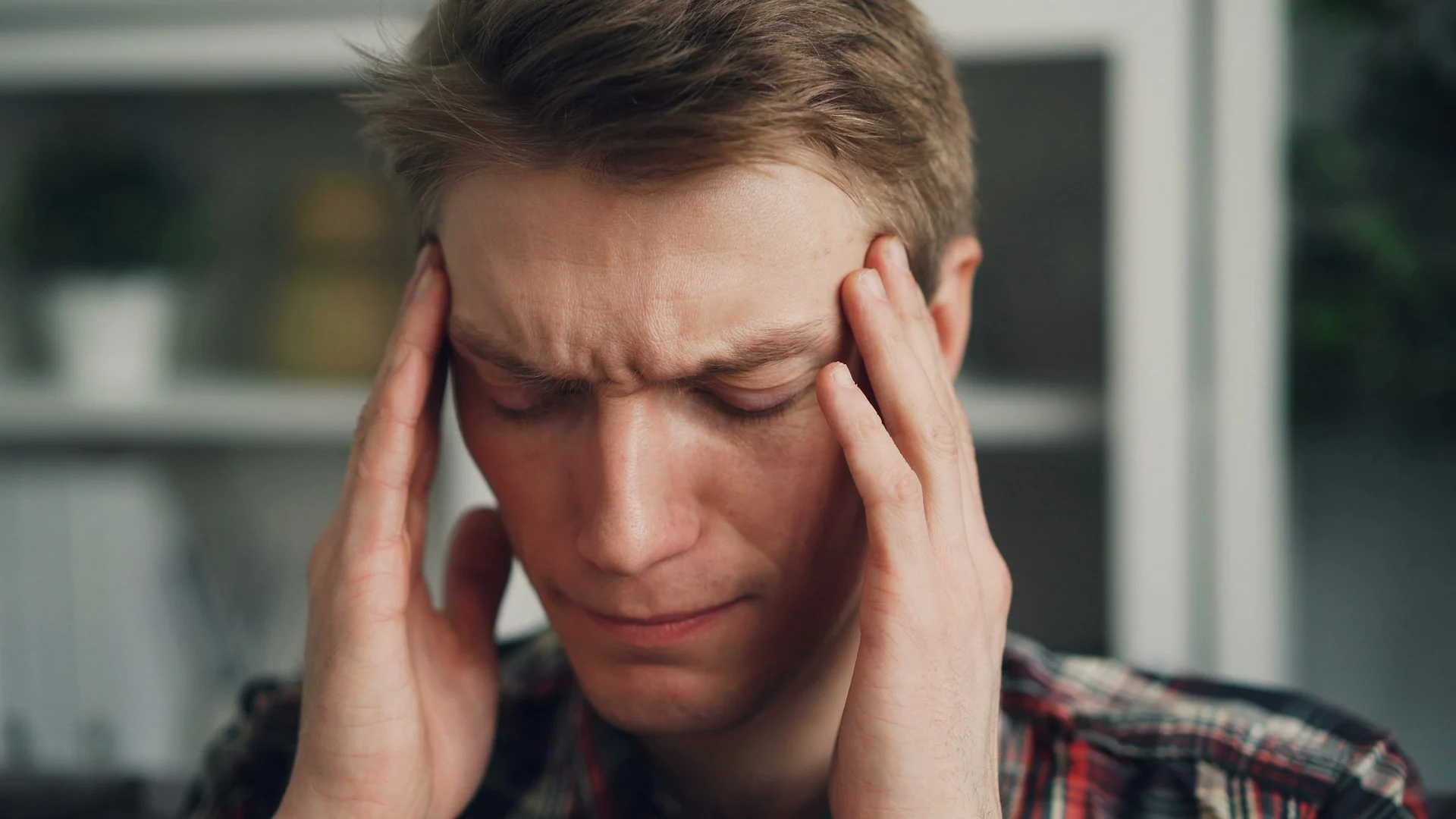
Headache is one of the most common complaints and in most cases is not a sign of a dangerous illness. However, some headaches can be the first signal of a serious condition — a stroke, bleeding in the brain or an infection. In this article, based on the recommendations of the UK National Health Service (NHS), we explain which signs mean «see a doctor now».
Primary and secondary headaches
The World Health Organization divides headaches into two groups:
- Primary headaches — the pain itself is the disease: migraine, tension-type headache, cluster headache.
- Secondary headaches — the result of another condition. The most common type is headache caused by overuse of painkillers.
Warning signs («red flags») are exactly the situations that give reason to suspect a serious secondary cause. Having them does not mean a diagnosis, but it is a reason not to postpone an examination.
Main types of primary headache
As described by the WHO:
- Migraine — recurrent attacks that usually last from 4 to 72 hours. The pain is often on one side of the head, pulsating, and accompanied by nausea and sensitivity to light and sound.
- Tension-type headache — a pressing sensation around the head, often described as «a tight band around the head».
- Cluster headache — extremely severe, short, recurring attacks centred around one eye; often accompanied by a watering, red eye on the same side.
These types are diagnosed mainly on the basis of the nature of the complaints and the examination. If your headache differs sharply from this familiar pattern, that is also an important change to tell your doctor about.
Call 103 immediately if, together with a headache:
- the pain started suddenly and is extremely severe;
- a seizure has occurred;
- there is numbness or weakness in the face or body;
- problems with speech, balance, walking or memory have appeared;
- there is drowsiness or confusion;
- vision has been lost;
- there has been a head injury within the last 3 months;
- there is a high temperature, a stiff neck or discomfort with light;
- a rash has appeared on the body that does not fade when a glass is pressed against it.
Some of these signs may be linked to emergencies such as stroke, others to meningitis. In such cases, do not drive yourself to hospital and do not take a painkiller and wait.
Situations that need an urgent doctor's appointment the same day
The NHS recommends seeing a doctor urgently if you have:
- vision or eye problems together with a headache;
- a headache that starts or gets worse with coughing, sneezing, bending down or physical exertion;
- vomiting together with a headache;
- in a child, a headache that keeps getting worse and disturbs sleep;
- a headache with jaw pain when eating, or a tender or painful scalp.
When to book a routine appointment with a neurologist
Even without warning signs, the following situations are worth a medical examination:
- headaches recur frequently and affect your daily life and work;
- the character of the pain has started to change;
- you need painkillers more and more often;
- attacks are preceded by warning symptoms such as changes in vision.
The WHO notes that only a small proportion of people with headache worldwide receive a correct diagnosis, and many treat themselves without seeing a doctor. Uncontrolled and frequent use of painkillers can itself cause headaches.
What does a neurologist check?
During the appointment the doctor asks how the pain started, where it is, how long it lasts, what other symptoms accompany it and which medicines you take, and performs a detailed neurological examination. Depending on the findings, additional tests may be ordered. Not every headache needs a scan — the doctor makes that decision after the examination.
It is helpful to keep a «headache diary» for 2–4 weeks before the appointment: date, time, duration, severity, medicine taken and circumstances that may have triggered the pain.
Frequently asked questions
Is every severe headache dangerous?
No. Migraine attacks can be very severe and are not dangerous. However, pain that begins suddenly, «like a thunderclap», and is more severe than anything you have experienced before needs urgent examination.
Does blood pressure cause headaches?
It is useful to measure your blood pressure during a headache, but the cause of the pain cannot be explained by blood pressure alone. The doctor determines the cause based on an examination.
When should a headache in a child be a cause for concern?
If the pain keeps getting worse, disturbs sleep, or is accompanied by vomiting, fever, a stiff neck or changes in behaviour, take the child to a doctor without delay.
This article is for information only and does not replace a medical examination. A diagnosis can only be made by a doctor, based on listening to the complaints and an examination. If you have worrying symptoms, you can book an appointment with neurologist Dr. Elvin Niftaliyev at Ganja International Hospital via the contact page.