
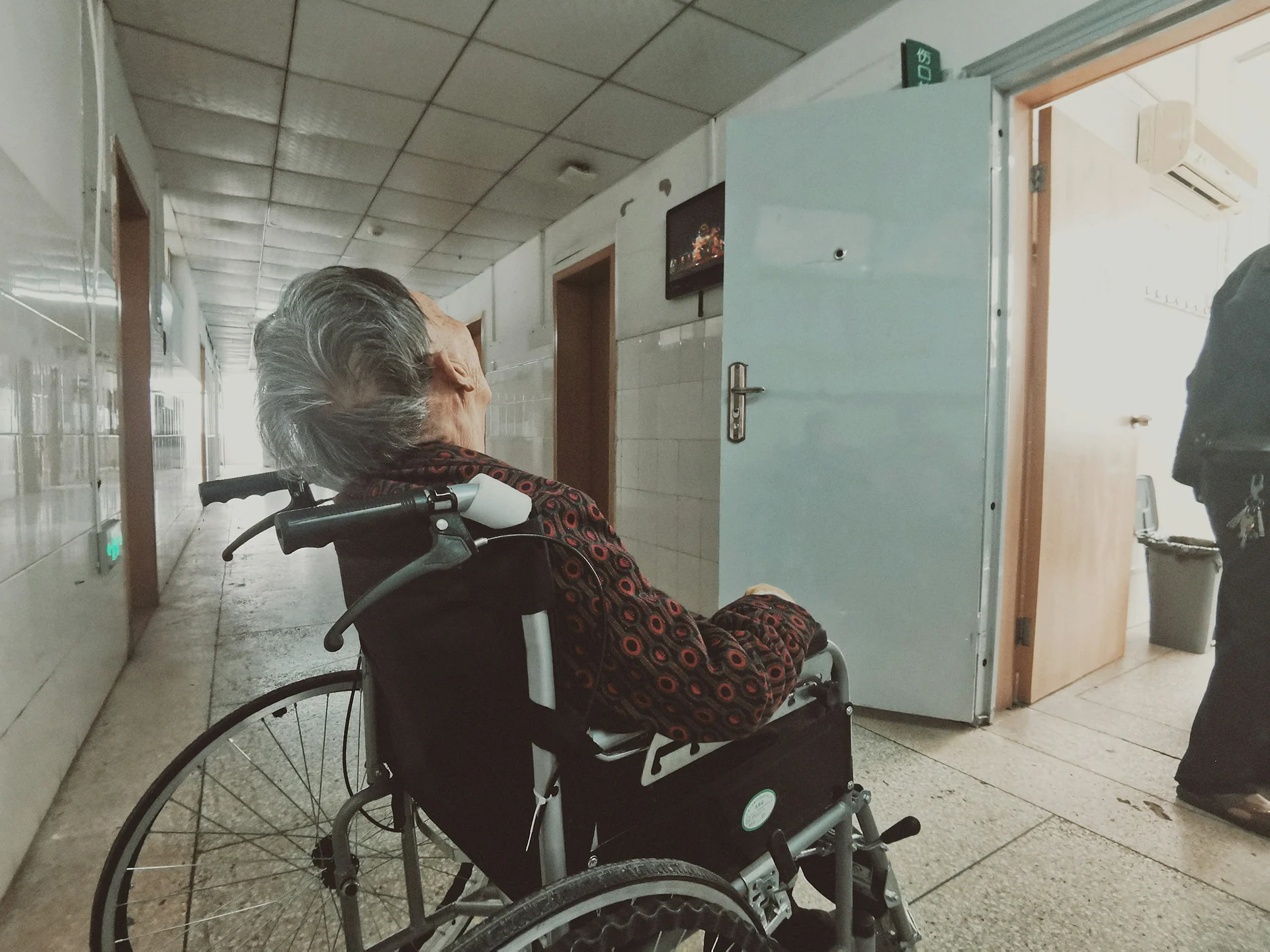
A stroke is an emergency caused by a sudden disruption of blood flow to brain tissue. As MedlinePlus (US National Institutes of Health) explains, brain cells that cannot get the oxygen and nutrients carried by the blood begin to die within minutes. This is where the phrase «time is brain» comes from: every minute counts, and treatment started early can save a life and improve the chances of recovery.
That is why recognising the signs of stroke and acting correctly is essential knowledge for everyone.
The BE-FAST rule
For many years, the FAST (Face – Arm – Speech – Time) rule was used to remember the signs of stroke. Later, balance (Balance) and eye (Eyes) signs were added, creating the BE-FAST rule. The aim is to also recognise strokes that FAST may miss, especially those affecting the back parts of the brain.
- B — Balance: sudden dizziness, loss of balance and coordination, inability to walk.
- E — Eyes: sudden loss of vision in one or both eyes, visual disturbance.
- F — Face: one side of the face droops; ask the person to smile — is the smile lopsided?
- A — Arms: ask them to raise both arms — does one arm not lift or drift down?
- S — Speech: speech is slurred, they cannot find words or do not understand a simple question («What is your name?»).
- T — Time: if any of these signs are present — call 103 immediately.
The emergency medical number in Azerbaijan is 103.
Other signs of stroke
The NHS also lists these signs:
- weakness or numbness on one side of the body;
- sudden confusion;
- a sudden, severe headache;
- nausea, vomiting.
What if the signs go away?
Sometimes the signs disappear after a few minutes. This may be a transient ischaemic attack (TIA, «mini-stroke»). The NHS stresses that in the early stage a TIA cannot be told apart from a full stroke, and a hospital assessment is important even if the signs pass, because a TIA can be a warning of a stroke in the near future. Do not wait for the signs to pass — call.
The NHS also notes that you should call an ambulance even if stroke signs occurred within the last 24 hours and have already gone. A prompt assessment makes it possible to find the cause and take steps to prevent a full stroke.
If you have had an episode in the past that may have been a TIA but did not see a doctor at the time, tell your doctor without delay and get checked.
Why does every minute count?
In some types of stroke, treatment aimed at opening a blocked blood vessel is only possible within a limited time after the signs begin, and according to MedlinePlus, the sooner it starts, the higher the chance of recovery. Doctors decide which treatment to use after examination and imaging in hospital.
That is why the two most important steps when a stroke is suspected are: calling an ambulance without delay and remembering exactly when the signs started. If the person woke up with the signs, give the time you last saw them well.
First aid until the ambulance arrives
- Call 103 and say that you suspect a stroke.
- Note the time the signs started — this is important information for the doctors' treatment decision.
- Keep the person in a comfortable position, reassure them and stay with them.
- Check whether they are conscious and breathing.
- If available, have a list of their medicines and their medical history ready for the doctors.
What NOT to do
- Do not give food or drink — swallowing can be impaired in a stroke, creating a risk of choking.
- Do not give any medicine on your own. A stroke can be caused either by a blocked blood vessel or by bleeding, and only an examination in hospital can show which type it is.
- Do not wait, thinking «let them lie down for a while, it will pass» — lost time means lost brain tissue.
- Do not let a person with the signs drive themselves.
After hospital
Further treatment, prevention of another stroke and rehabilitation after a stroke require medical supervision. You can find detailed information about ischaemic stroke on our condition page. For other signs that may be related to stroke, see the article on symptoms of nervous system disorders.
Frequently asked questions
Does stroke only happen in older people?
No, a stroke can happen at any age. If the signs are present, call an ambulance regardless of age.
Can a stroke be identified at home?
BE-FAST helps you suspect a stroke, but the diagnosis and type of stroke can only be confirmed by a doctor's examination and imaging in hospital. If in doubt, call.
Wouldn't it be faster to take them to hospital myself?
The NHS recommends calling an ambulance when a stroke is suspected. The ambulance crew monitors the person's condition on the way and takes the patient to an appropriate facility.
This article is for information only and does not replace a medical examination. If you suspect a stroke, do not wait for a routine appointment — call 103 immediately. For neurological follow-up after a stroke, assessment of risk factors or examination of suspicious signs that have passed, you can contact neurologist Dr. Elvin Niftaliyev at Ganja International Hospital via the contact page.