
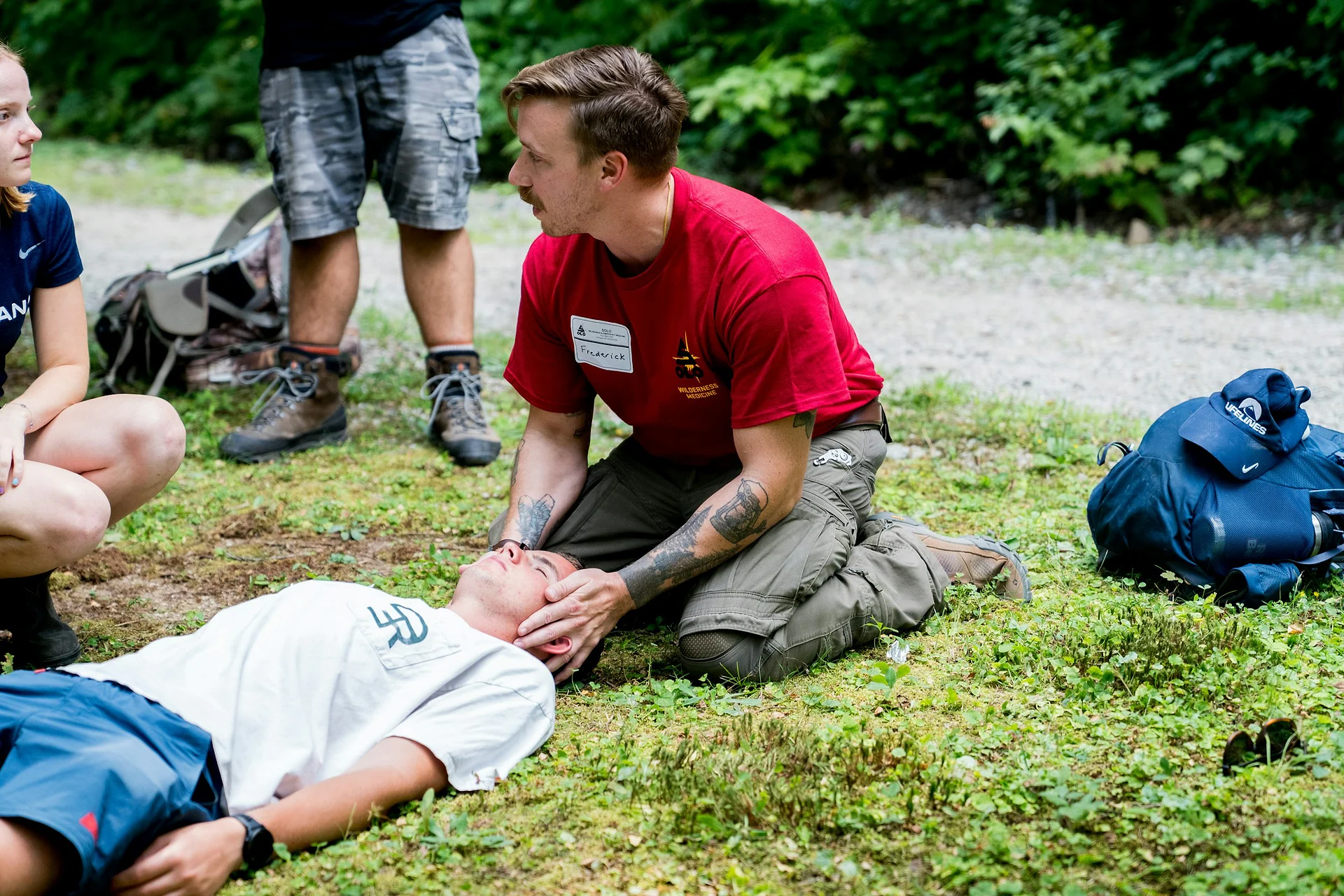
First of all, remember that staying calm and keeping your composure is the most important help you can give the person.
- Stay with the person and note the time the seizure started — it is important to know how long the seizure lasts.
- To stop them injuring themselves, move sharp, cutting and hard objects out of the way and put something soft (for example, a folded jacket) under their head. Loosen any collar or tie that is tight around the neck.
- During the seizure, do not try to hold back the person's movements, grip or squeeze them, or drag them from where they are. Move them only if there is immediate danger, such as a road, water or fire.
- Do not put anything in the person's mouth. When the jaw is clenched, trying to open the mouth or keep it open with a spoon, a piece of wood or any other object, or with your hand, is completely wrong. Such interventions can injure you, and can also break the person's teeth or injure their jaw and mouth. The person may also have difficulty breathing.
- Throwing water on the person, making them smell something or slapping them to end the seizure sooner is also wrong! Because these seizures originate in the brain, they will not stop because of any such intervention of yours — the seizure ends when the abnormal activity in the brain ends.
Most seizures stop on their own within 1–3 minutes. Call 103 immediately if:
- the seizure lasts more than 5 minutes;
- seizures follow one after another and the person does not regain consciousness in between;
- the person was injured during the seizure;
- there is difficulty breathing after the seizure, or the person does not come round for a long time;
- it is the person's first seizure;
- the seizure happened in a pregnant woman or in water.
Once the convulsions have stopped, turn the person onto their side — into the recovery position: this helps saliva drain from the mouth and keeps the airway open. Bend the arm nearest to you at the elbow and place it upwards, and put the back of their other hand under their cheek. Bend the far knee and, holding the knee, carefully roll the person towards you onto their side. Tilt the head back slightly and lift the chin a little to keep the airway open. Stay with the person until they have fully recovered, speak calmly and explain what has happened. Do not give them water, food or medicine until they have fully recovered.