
Tests
Neurological diagnosis begins with the doctor’s conversation with the patient and a detailed neurological examination: reflexes, muscle strength, sensation, coordination, gait and cranial nerve function are checked. Where necessary, instrumental tests are ordered to clarify the cause of the complaint.
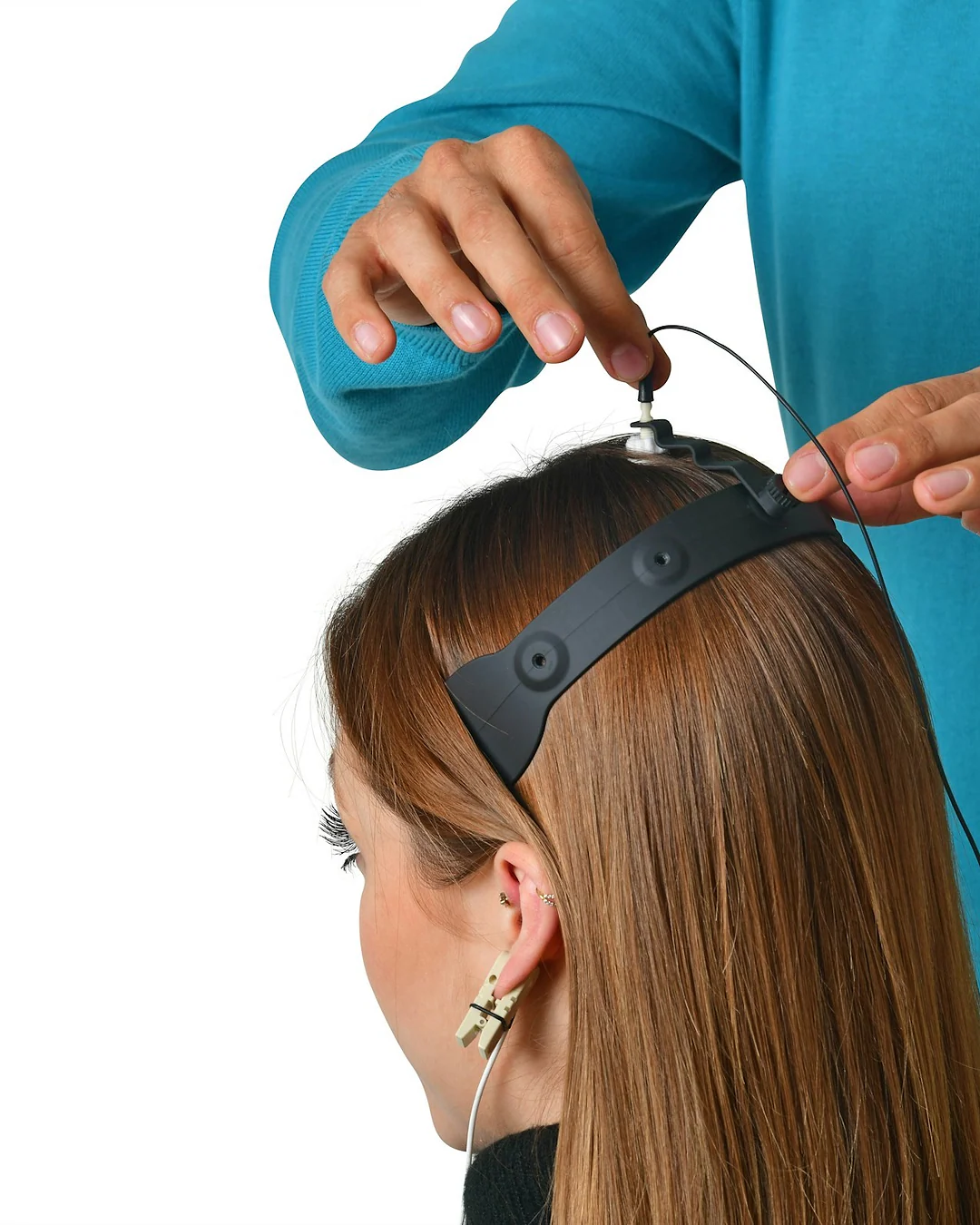
Electroencephalography (EEG) records the electrical activity of the brain and is used to investigate epilepsy, seizure-like events and episodes of loss of consciousness. Electromyography (EMG) measures the conduction of electrical signals along nerves and muscles; it plays a supporting role in diagnosing carpal tunnel syndrome, radiculopathy, polyneuropathy and muscle diseases.
The doctor decides which test is needed based on the complaints and the examination findings. How each test is carried out, how to prepare for it and what the results show are explained on the pages below.

EMG
Electromyography (EMG) is a diagnostic method performed with a device called an electromyograph. It detects the bioelectrical activity of muscles and, on that basis, shows the functional state of the nerve supplying the damaged muscle. The test determines the extent, location and severity of damage to muscles and peripheral nerves.